Manufacturers, printers + production partners
GIVE EVERY PRODUCT YOU MANUFACTURE A PERMANENT DIGITAL IDENTITY.
A thin State of Stick emblem connects the finished product to brand-controlled records, customer guidance, warranty, service, replacement parts, and measurable next actions—while private manufacturing methods remain private.
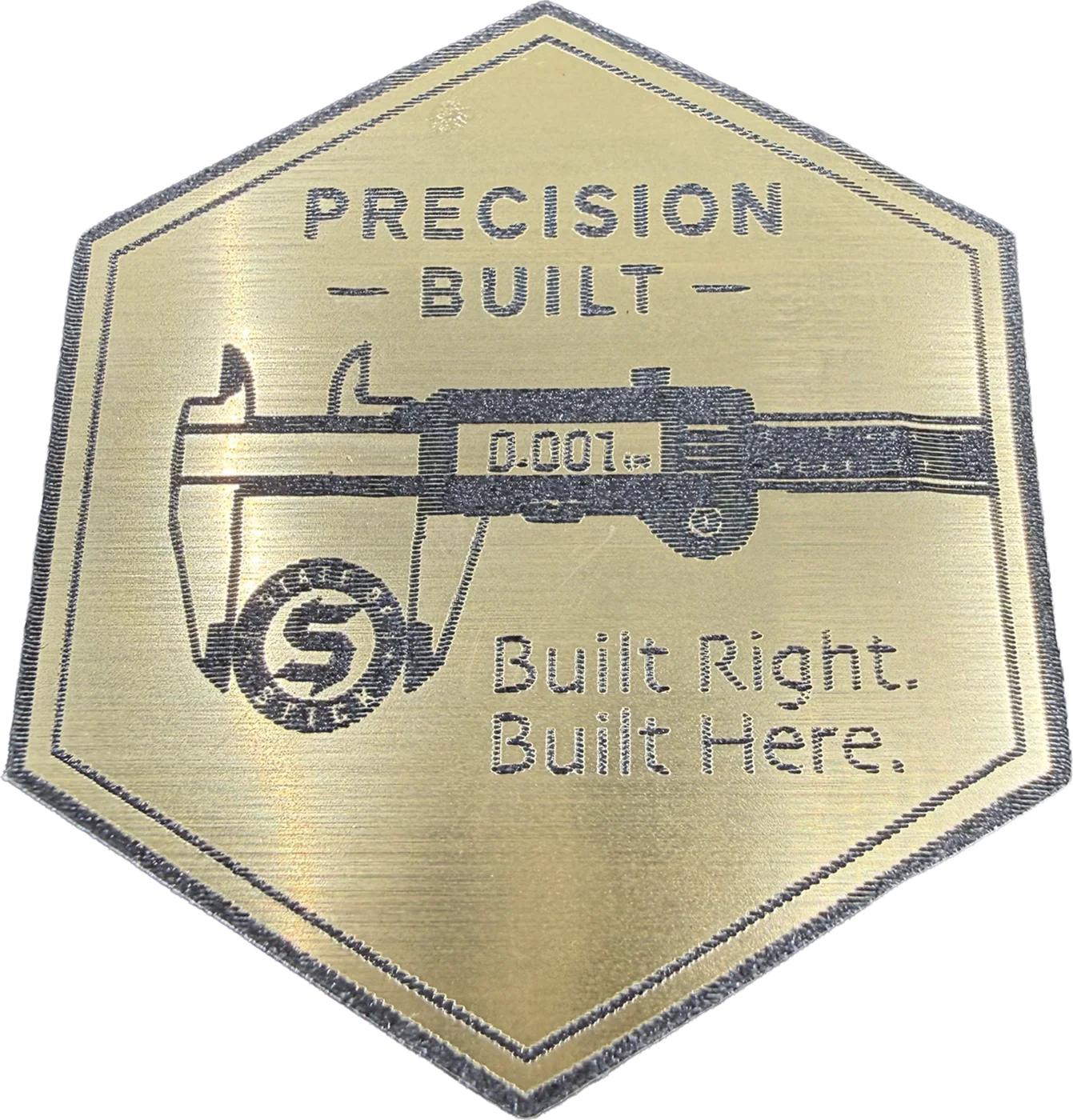
Applied near the service plate
A thin permanent emblem gives the finished product a digital identity for its full lifecycle.
One platform · this application
THE INDUSTRY CHANGES.
THE PLATFORM DOES NOT.
A premium physical product is the deployment layer and valuable commercial entry point. Persistent identity connects it to a governed platform that can keep approved information, records, experiences, and actions useful over time.
STATE OF STICK PLATFORM
Identity
A shared, serialized, or higher-assurance record appropriate to the product and risk.
Management
Organization-controlled destinations, content, lifecycle states, and roles.
Analytics
Aggregate interaction and action signals tied to the physical touchpoint.
Authorization + verification
Approved access and trust signals without treating every interaction as authentication.
AI experiences
Optional assistance grounded in approved content—not the authority for safety, identity, or compliance.
Lifecycle records
Guidance, service, warranty, provenance, replacement, and next actions over time.
The responsible organization remains the authority for its records, instructions, access rules, claims, and systems of record. Connectivity can use the technology appropriate to the program; identification is not automatically authentication.
The manufacturing opportunity
YOUR PRODUCT LEAVES THE FACTORY ONCE.ITS IDENTITY CAN LAST.
Give the finished product a durable, brand-controlled doorway to the information and service it will need throughout its working life.
The emblem stays thin and physical. The destination can move from installation to maintenance, parts, upgrades, and trade-in without replacing the touchpoint.
See the system in one glance
THE EMBLEM STAYS. THE PRODUCT RECORD EVOLVES.
The finished product carries a permanent physical doorway. The manufacturer can keep the approved experience useful from installation through service, parts, upgrades, and end-of-life.
THINPhysical identity
TAPNo app required
ACTUseful next step
Connected touchpoint
STATE OF STICK, CO.
Product identity found
Hydraulic Pump
Authentic · In service
- Serial
- HP-24081
- Built
- Michigan · 2026
- Service
- Current
- Record
- Manufacturer controlled
Open manual→
View service history→
Find replacement parts→
One platform / right-sized identity
THE PRODUCT EARNS.
Not every product needs serialization or higher-assurance verification. Start with the customer and service outcome, then choose the simplest identity model that supports it.
01
Shared
One destination
A product line, sample family, or installation opens the same maintained resource.
Manuals · installation · care
02
Serialized
One record per product
Each finished unit can carry its own serial, batch, service state, and approved lifecycle record.
Identity · warranty · service
03
Authorized
Higher-assurance proof
Selected products can add a secure verification result before showing the approved record.
Authenticity · provenance · access
The product record in motion
THE RIGHT NEXT STEP.
AT THE PRODUCT.
A useful identity changes with the lifecycle. The physical doorway stays put while the manufacturer controls what the customer, technician, dealer, or owner sees next.
01
Day one
Install it
Setup guidance, approved documents, training, and warranty entry.
02
In use
Support it
Maintenance schedules, service history, troubleshooting, and dealer help.
03
Needs a part
Keep it working
Replacement parts, approved accessories, and reorder paths.
04
Ready to change
Extend the relationship
Upgrades, trade-in, recycling, and product updates.
Practical applications
THE WORK AFTER THE SALE.
PRODUCT PASSPORT
Specifications, approved documents, serial information, and support live with the product.
WARRANTY ACTIVATION
Open the correct registration path without asking the owner to retype the product identity.
SERVICE HISTORY
Give authorized teams a clear entry point for inspections, maintenance, and service records.
REPLACEMENT PARTS
Move from the physical product to the right part, dealer, or reorder path.
TRAINING + SAFETY
Keep current setup, care, and approved-use guidance at the point of work.
DEALER ENABLEMENT
Route customers and channel partners to the right resources for their role or location.
Actual State of Stick pieces
GENERIC.
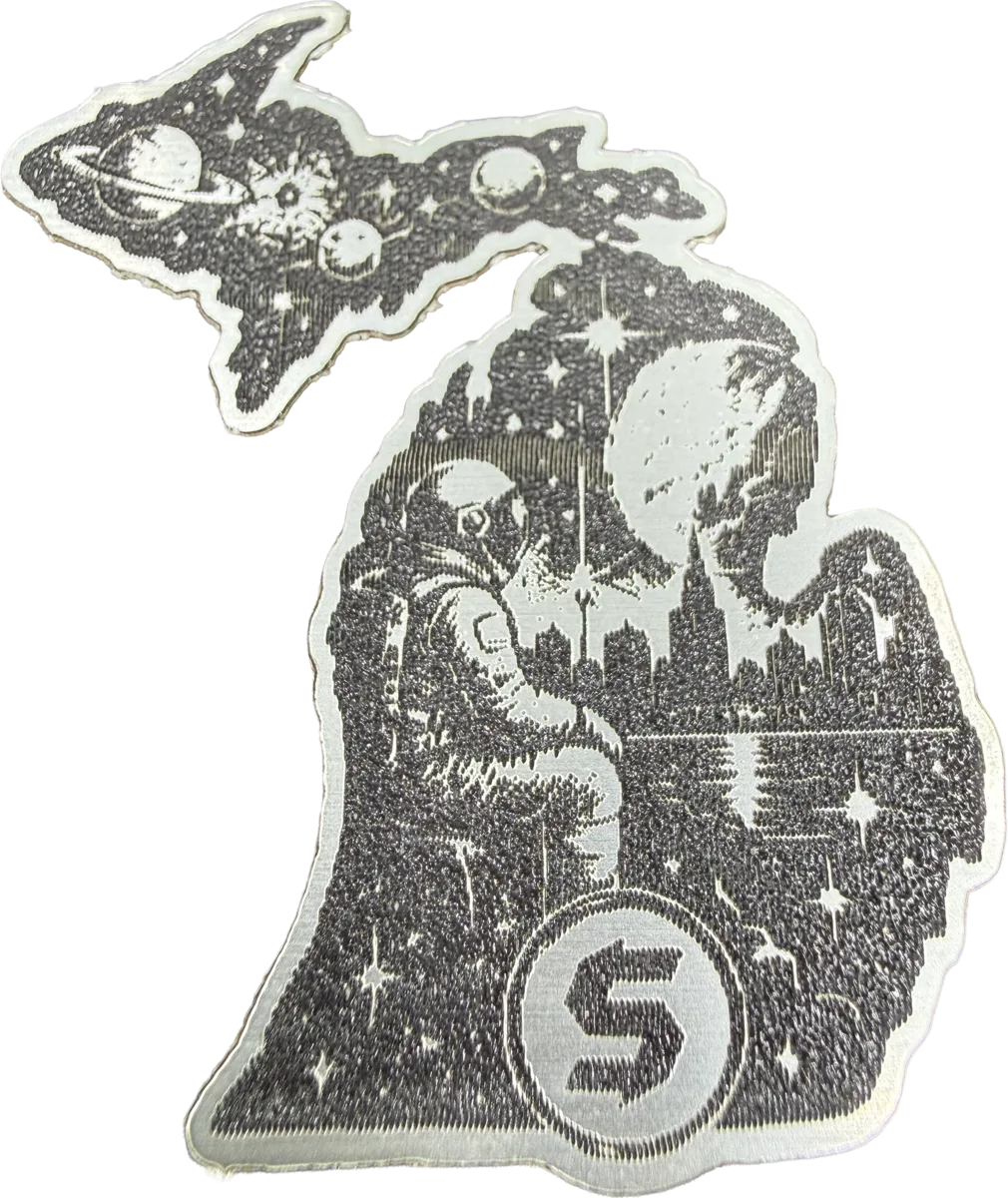
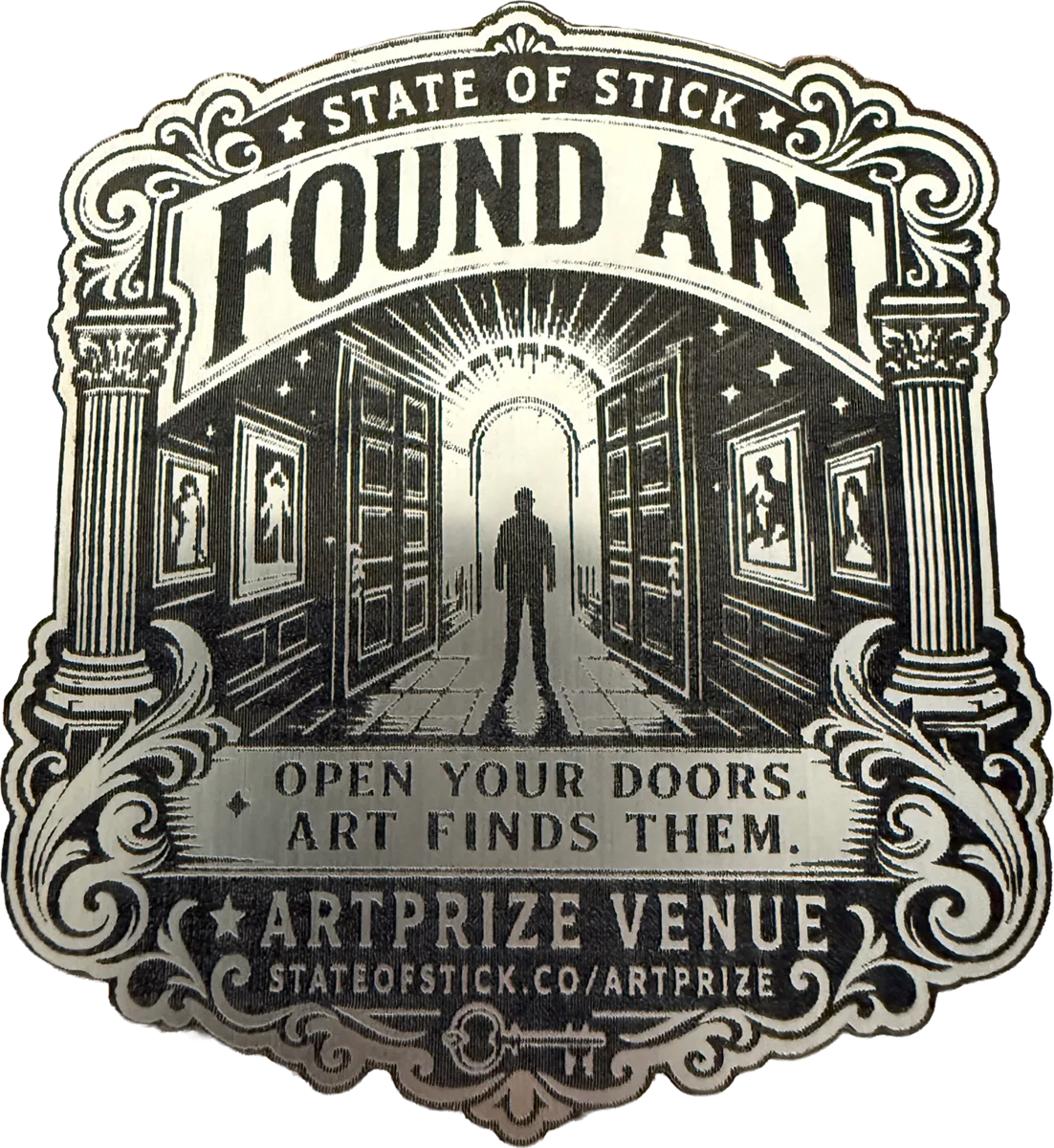
These photographed pieces demonstrate the physical range: detailed engraving, shaped silhouettes, metallic finishes, and a profile designed to sit on real objects. Connected functionality is configured separately for each approved program.

Built for different production worlds
ONE SYSTEM.
MANY PRODUCT LIVES.
The same core system can support a service-heavy industrial asset, a premium tool, a sample kit, or a finished consumer product. The content, access, and evidence model changes with the product.
Customer-facing by design
SHOW THE RECORD.
PROTECT THE METHOD.
A product passport should make the finished product easier to trust and support. It should not publish the confidential knowledge used to make it.
APPROVED CUSTOMER LAYER
- Product identity and status
- Manuals and approved documents
- Warranty, service, and parts paths
- Training and owner resources
- Manufacturer-approved sustainability information
PRIVATE OPERATING LAYER
- Suppliers and material sources
- Costs, margins, and BOM economics
- Production recipes and methods
- Internal tolerances and quality controls
- Customer-confidential production records
The first deployment
CREDIBLE PILOT.
One product
Choose a finished product, sample, installation, or production run with a clear owner.
One useful record
Start with approved manuals, service information, warranty, training, or reorder content.
One next action
Measure a support request, registration, part lookup, reorder, or other intentional action.
One evidence loop
Review usage, customer questions, operational fit, and what should change before scaling.
WHAT PRODUCT SHOULD KEEP WORKING AFTER IT SHIPS?
Scope the pilot Bring one finished product and one expensive customer or service problem. We will help define the physical touchpoint, approved record, next action, and evidence plan.
Trust by Design
TRUST INFRASTRUCTURE STARTS WITH PHYSICAL SYSTEMS.
The same pattern behind this application shows up across civic systems, supply chains, healthcare, manufacturing, and authorized physical identity: the object needs context, authority, privacy boundaries, and evidence that people can understand.