Future of Physical · Field note 01
The physical things around us are becoming addressable, persistent, and capable of doing more after they are made.
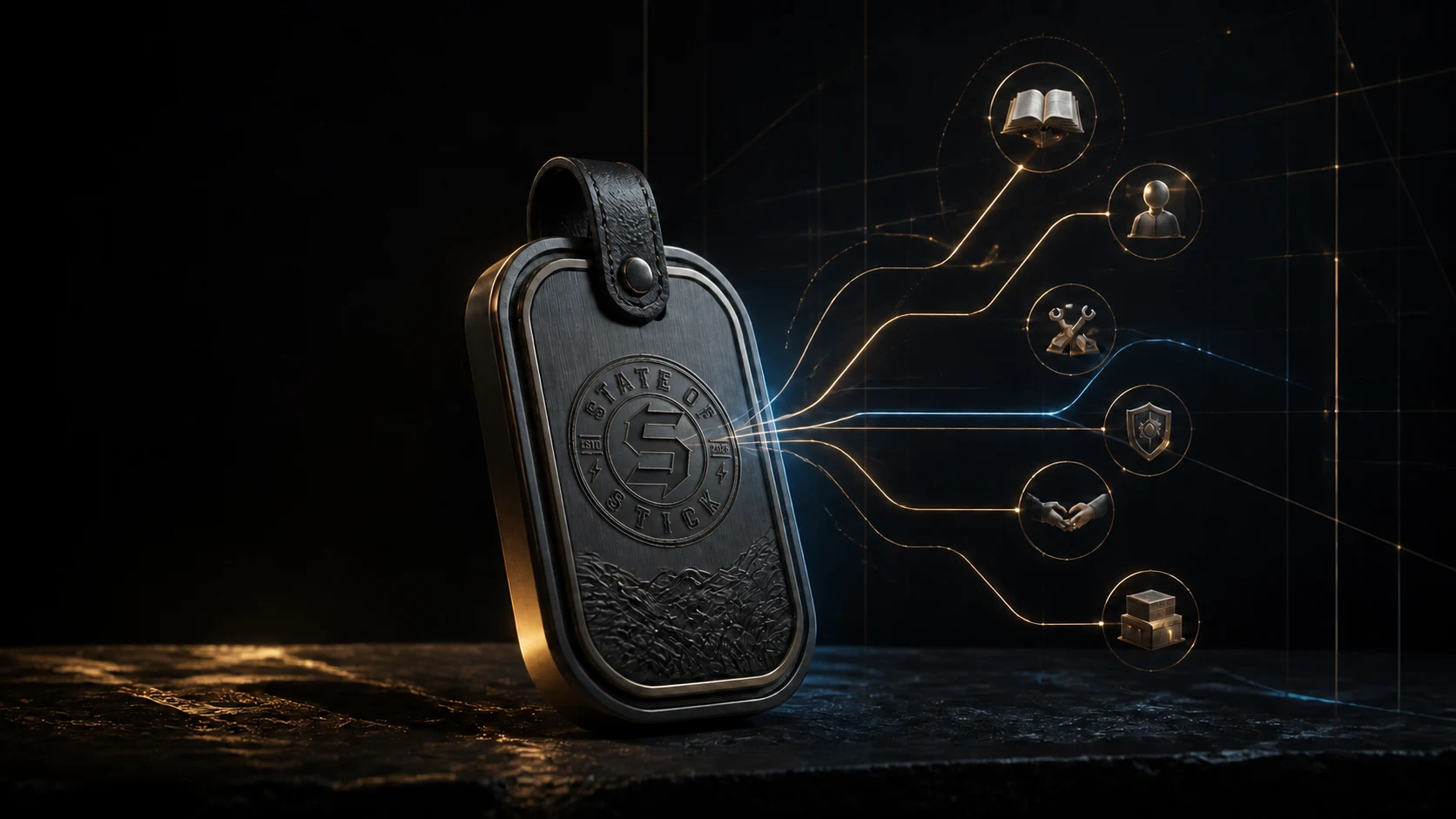
01 · Something important just happened
On July 20, 2026, the European Commission launched the Digital Product Passport Registry.
That does not mean every product now needs a Digital Product Passport. It does not mean State of Stick is a European compliance company. It means something more interesting is becoming real: product identity is moving from an interesting concept toward operational infrastructure.
The EU is approaching this through sustainability, transparency, supply-chain information, and regulatory compliance. The Commission describes a DPP as a digital identity card for products, components, and materials. Depending on the product group, it may help people access information about origin, materials, repairability, environmental performance, reuse, and recycling.
The first major implementation deadline is February 18, 2027, for certain types of large batteries. The rollout is staged and product-specific—not a universal label that applies to everything.
That distinction matters. Good communication should make the future easier to understand, not turn a developing regulation into a universal marketing claim.
Why we are paying attention
Europe is building the registry. The larger question is what product identity enables next.
The Registry is one part of a broader system for registering unique product identifiers and associated metadata. Product data remains distributed, while the identity layer helps different participants reach the information relevant to them.
Read the Commission's DPP overview → Explore GS1 Digital Link →
02 · Here is what that actually means
Traditional manufacturing has a very understandable finish line.
Design the object. Make it. Package it. Sell it. Ship it. Done.
But what if the object could carry a useful relationship forward?
The shift
The bottle did not change. What it can do did.
A physical object can remain beautiful, tactile, and recognisably itself while the information and services around it continue to evolve.
- TodayBottle → label → purchase → done
- With a persistent identityBottle → stickLink → product identity → story → ownership → reorder → service → next experience
The point is not to make the object feel technical. The point is to make the relationship last longer than the transaction.
This is the question we keep returning to as we work through connected emblems, specialty-product concepts, public demonstrations, collectible ideas, and retail applications:
What should happen the second time someone interacts with the object?
Creating an object that opens a webpage once is relatively easy. Creating a product identity that remains useful six months later is a much more interesting problem.
03 · Put the object at the center
A stickLink is a public-facing doorway between a physical object and the experience State of Stick can provide around it. It is not the object. It is not a promise that every claim is true. It is not a substitute for evidence or governance.
It is a way for the physical thing to remain connected to useful context.
The experience could introduce a maker today, provide care information later, document a limited release after that, and support a new service that did not exist when the object was manufactured.
The physical object does not need to be remade simply because the information around it changed.
That is where connected products become more interesting than connected marketing.
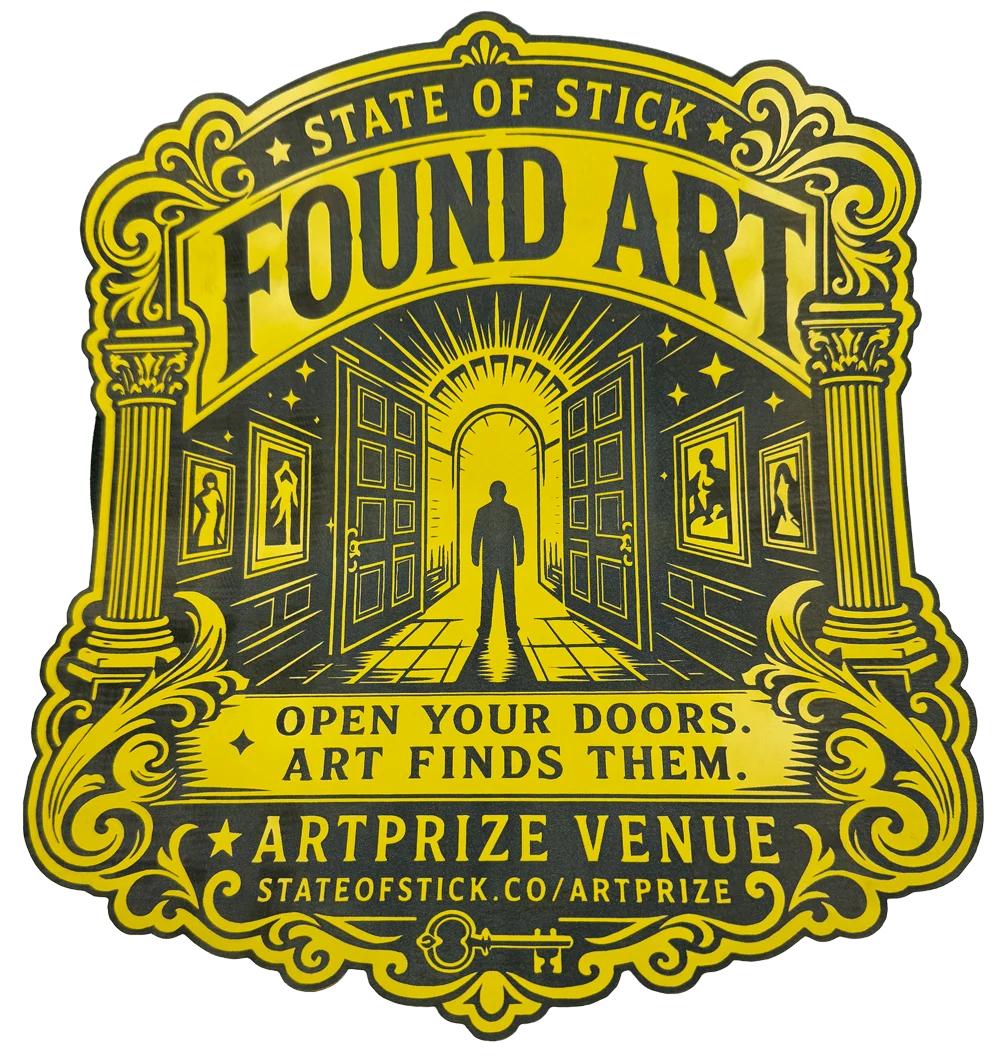
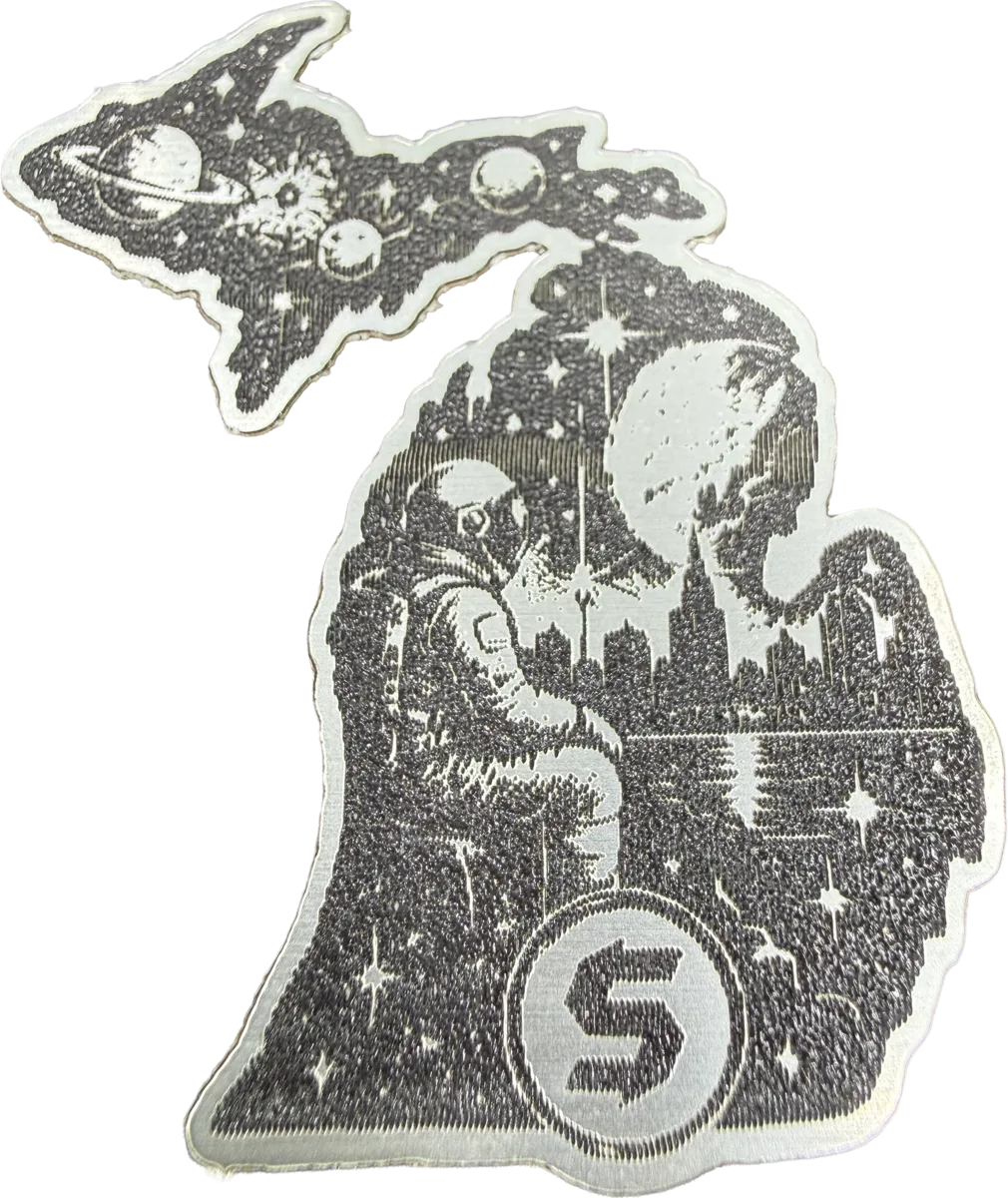
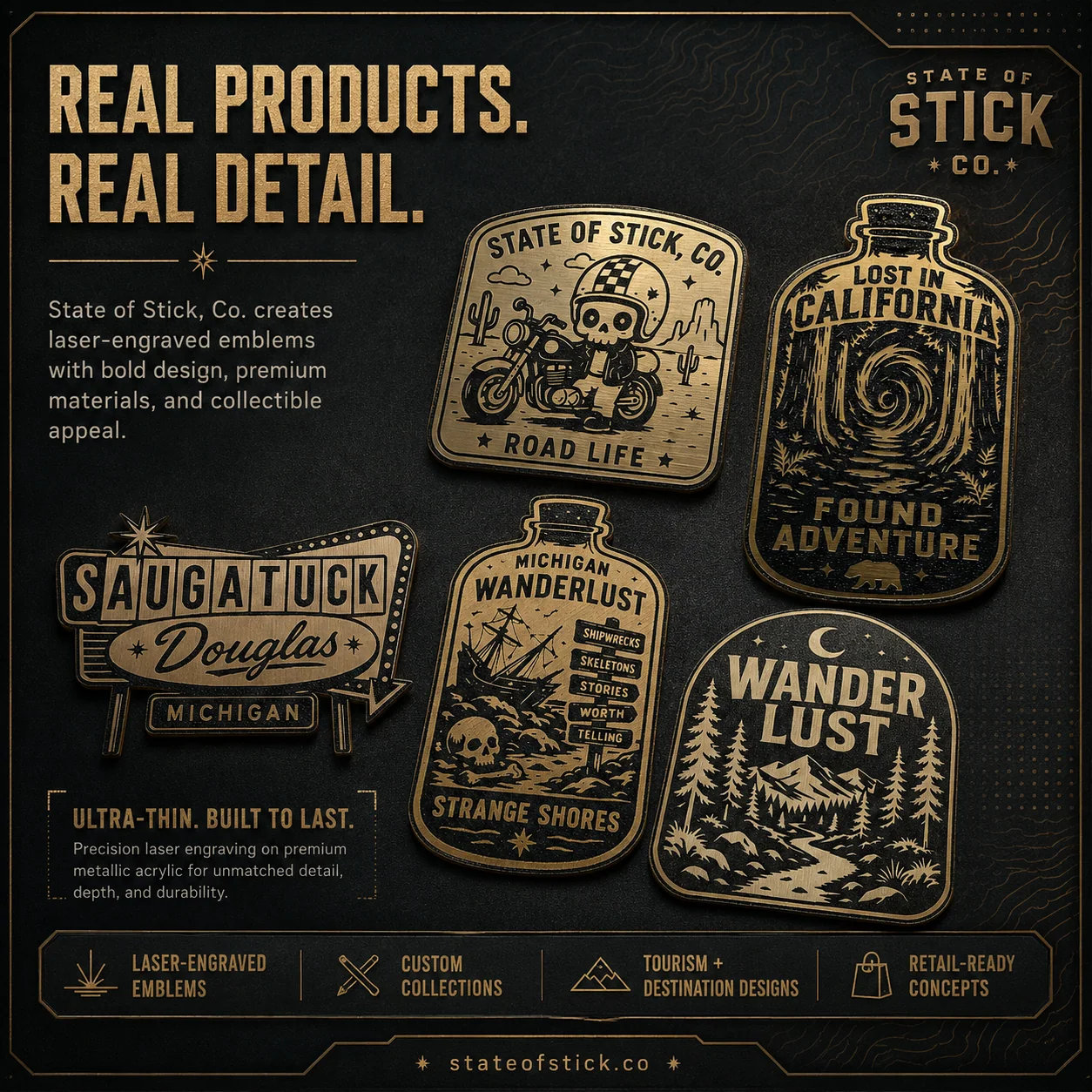
Four ways a persistent identity could matter
These are not promises about a particular deployment. They are the kinds of experiences we think become possible when the object remains addressable after the sale.
04 · The identity is not the trust
Giving a physical object a digital destination does not automatically make the information trustworthy.
A connected product can still contain incorrect information. A provenance claim can still be unsupported. An authenticity claim can still require evidence. A sustainability claim can still need documentation.
A product identity is infrastructure.
Trust comes from what happens around that identity: where information came from, who can change it, what claims are being made, and what evidence supports them.
That is why State of Stick is more interested in governed connected experiences than simply making objects interactive. Our trust framework explains the boundary in plain language: a connected experience can create context and useful validation, but it should not be described as proof of something it was not designed or authorised to establish.
Standards matter here too. GS1 Digital Link connects standardised product identifiers with online information and services. Its current standards work includes updates related to Digital Product Passport applications, data carriers, and extended packaging.
State of Stick does not need to reinvent global product-identification standards. Where standards make sense, interoperability is more powerful than isolation. Our opportunity is in what happens around the physical interaction: how an object enters an experience, how that experience is governed, and how useful services persist throughout the object’s life.
05 · Where this could go
Traditional retail optimises the moment before the transaction. Persistent Retail asks what the product can do afterward.
Instead of asking only how do we get someone to click?, we can ask why would someone come back?
Instead of asking where a link should go, we can ask what the object should remain capable of becoming.
Continue the relationship
Give the person who keeps the object a useful reason to return without turning the object into a disposable campaign.
Keep context close
Make documentation, care, updates, and future experiences easier to reach when they are actually needed.
Let the story last
Preserve the maker, the moment, and the surrounding context as the physical object moves through the world.
We do not believe the future requires adding screens to everything. People already have enough screens.
A handcrafted object can still feel handcrafted. A collectible can still look like a collectible. A bottle can still look like a beautiful bottle.
The technology can disappear into the relationship between the object and the experience.
If the technology becomes the hero, we have probably designed the experience incorrectly.
The object should remain the hero.
State of Stick should make the object capable of doing more.
The direction we are exploring
Physical first.
Digital second life.
We are building toward a world where products, packaging, public art, and manufactured components can remain useful, contextual, and connected long after the day they were made.
Source note: Regulatory and standards references were checked against European Commission and GS1 materials on August 10, 2026. This article is an industry perspective, not legal or regulatory advice. A State of Stick connected experience is not automatically an EU Digital Product Passport, a certification, or proof of authenticity or compliance.