Design
Shape the object, audience, purpose, and proof boundary.
State of Stick helps organizations design, manufacture, and operate intelligent physical systems: real objects, software, persistent identities, governed workflows, and AI-assisted intelligence that keeps working after deployment.
NFC, secure chips, lasers, CNC, analytics, cloud software, and AI are capabilities. The larger value is one system that can move from an unfamiliar problem to a deployed, measurable physical-digital solution quickly.
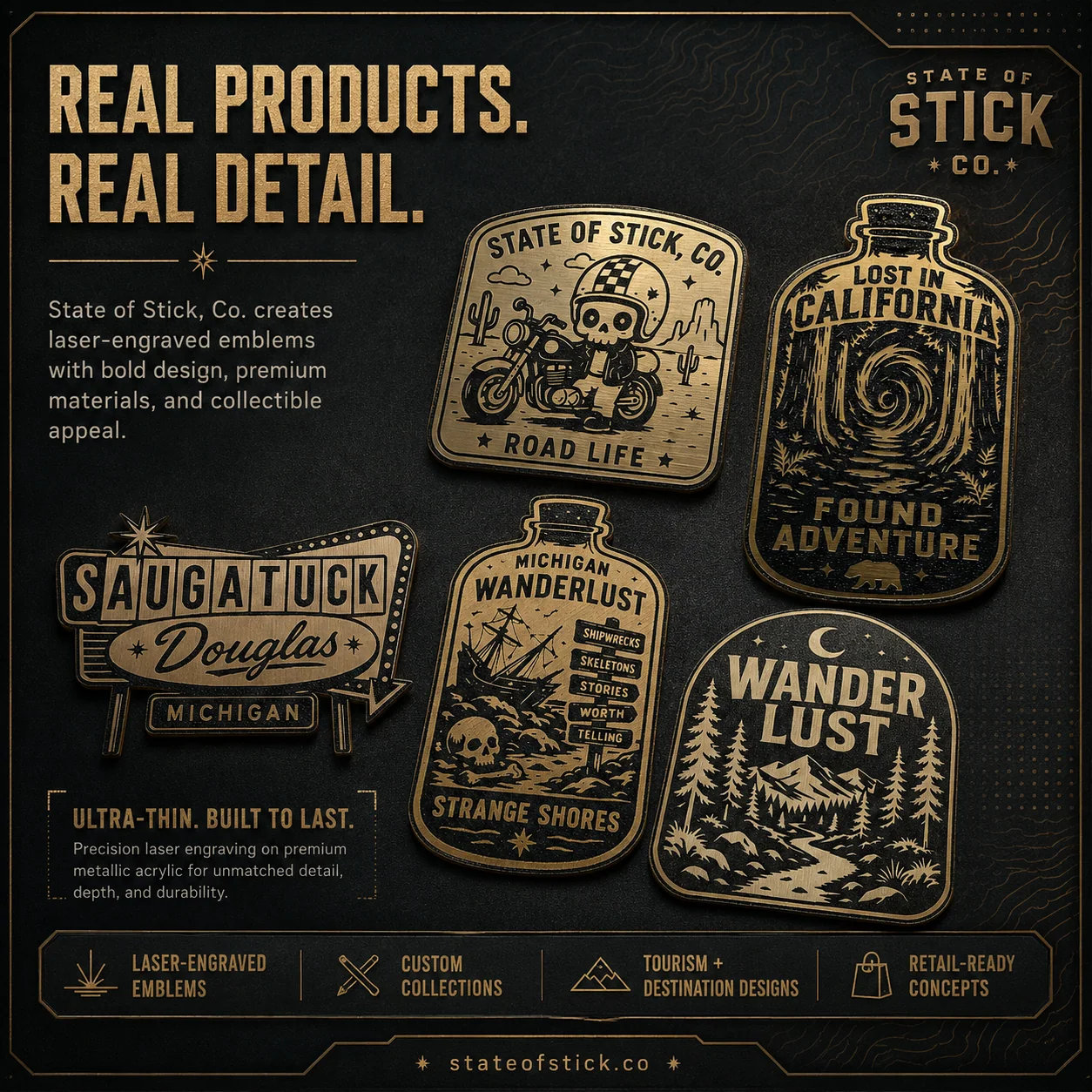
Shape the object, audience, purpose, and proof boundary.
Build a tangible demonstration instead of leaving the idea in a deck.
Produce the emblem, plaque, label, display, tag, or enclosure.
Apply the right trust model for the risk and object value.
Connect the physical touchpoint to a governed digital experience.
Review aggregate interactions and useful next actions.
Improve the object, content, workflow, and next production run.
The best demonstration is not the chip. It is the moment someone taps a meaningful object and immediately reaches the right story, instruction, record, proof, or next action.

Tap for:
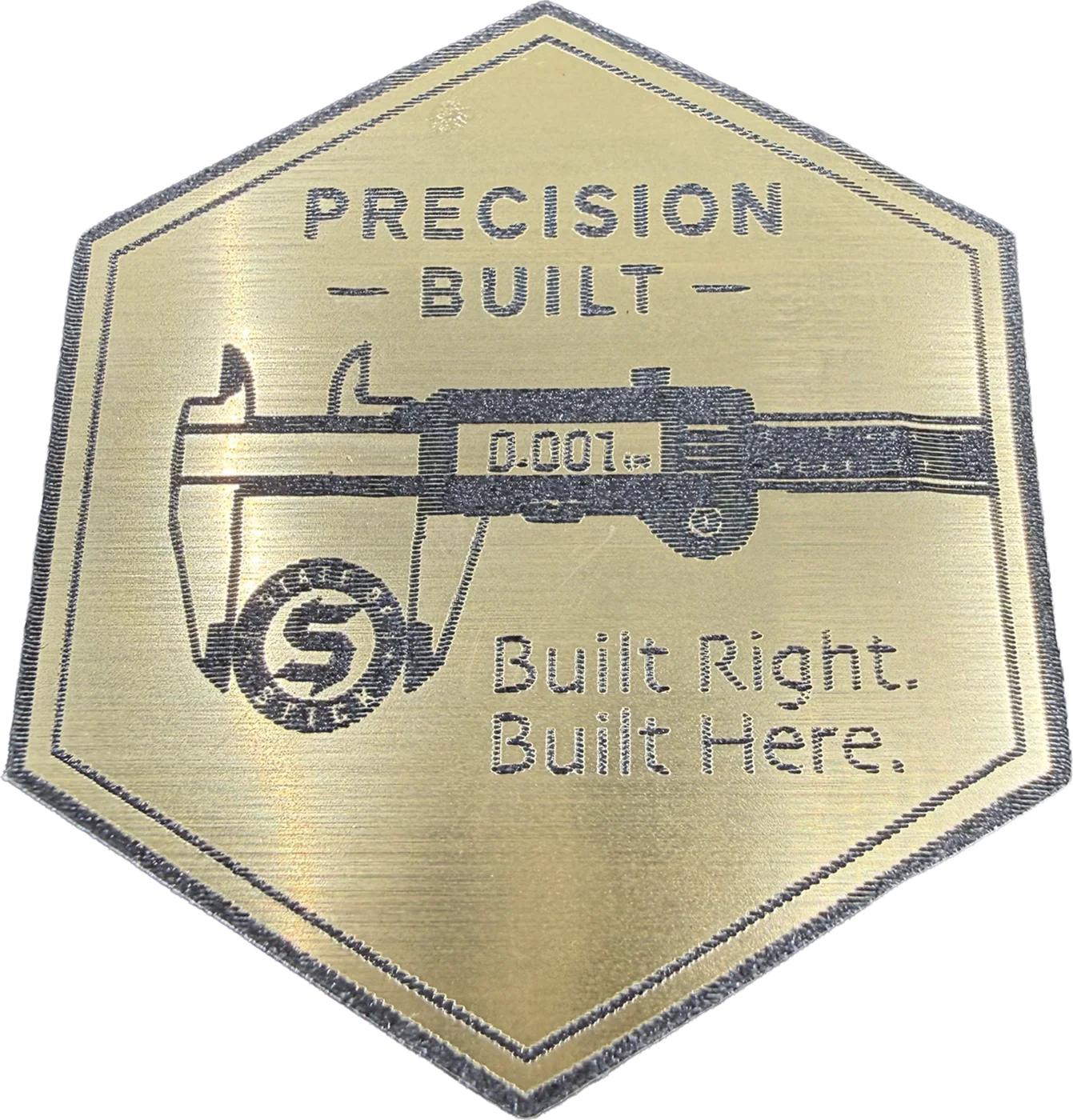
Tap for:
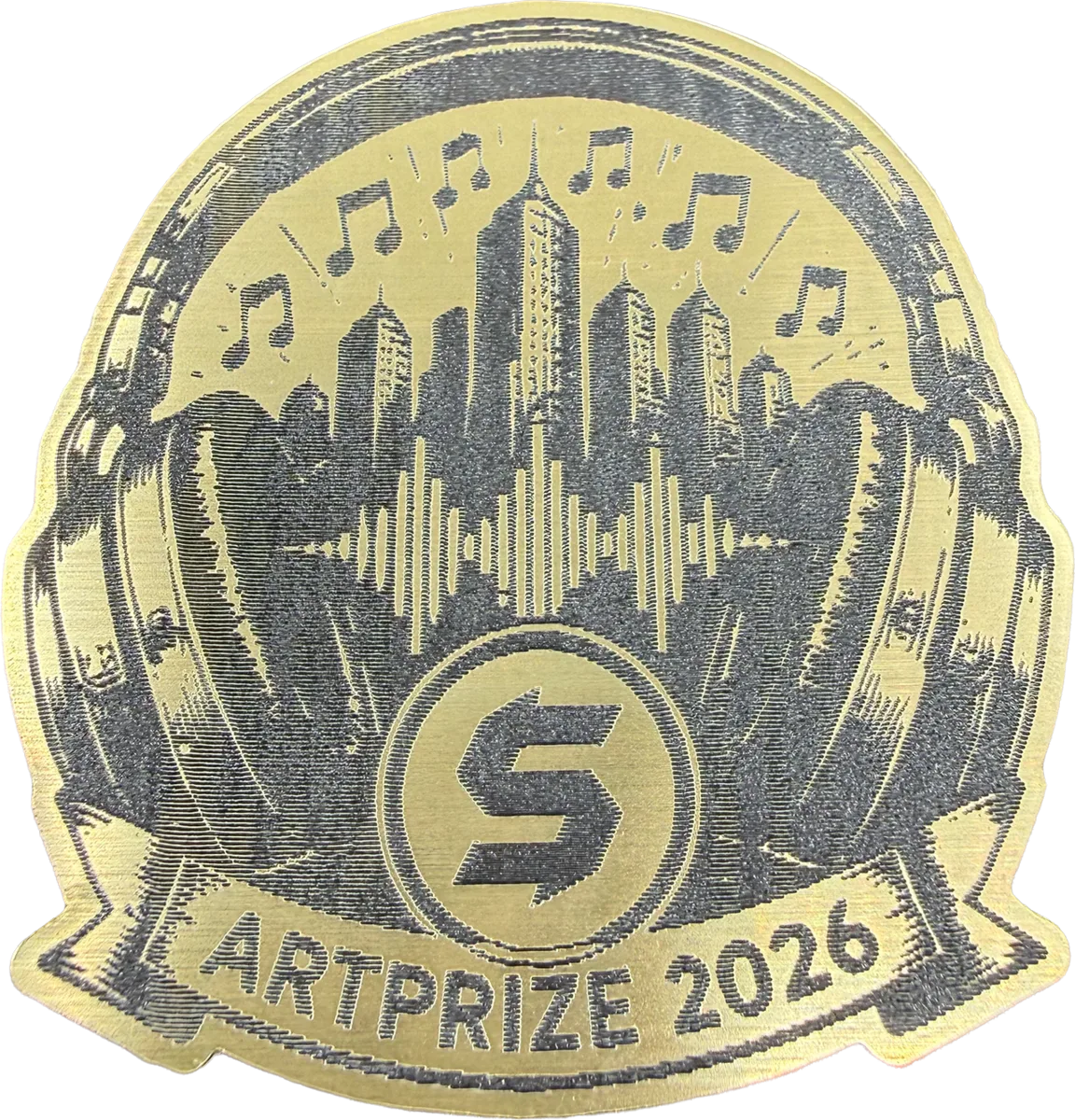
Tap for:
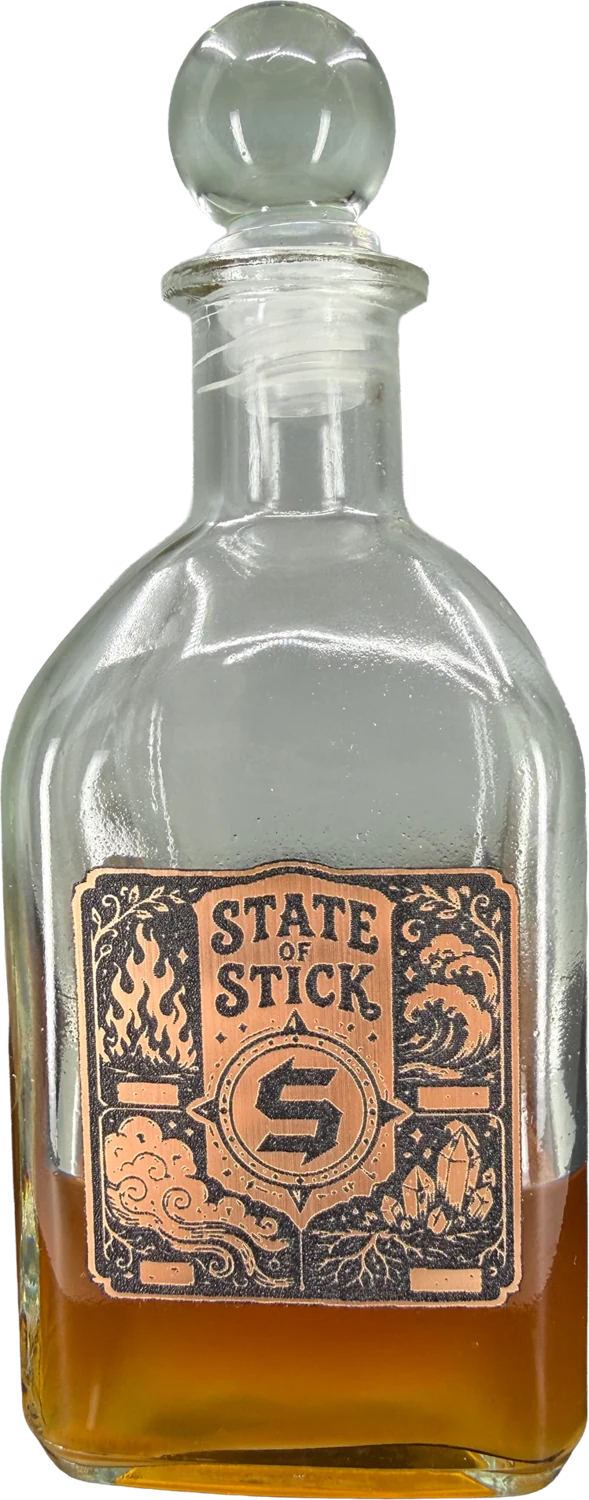
Tap for:
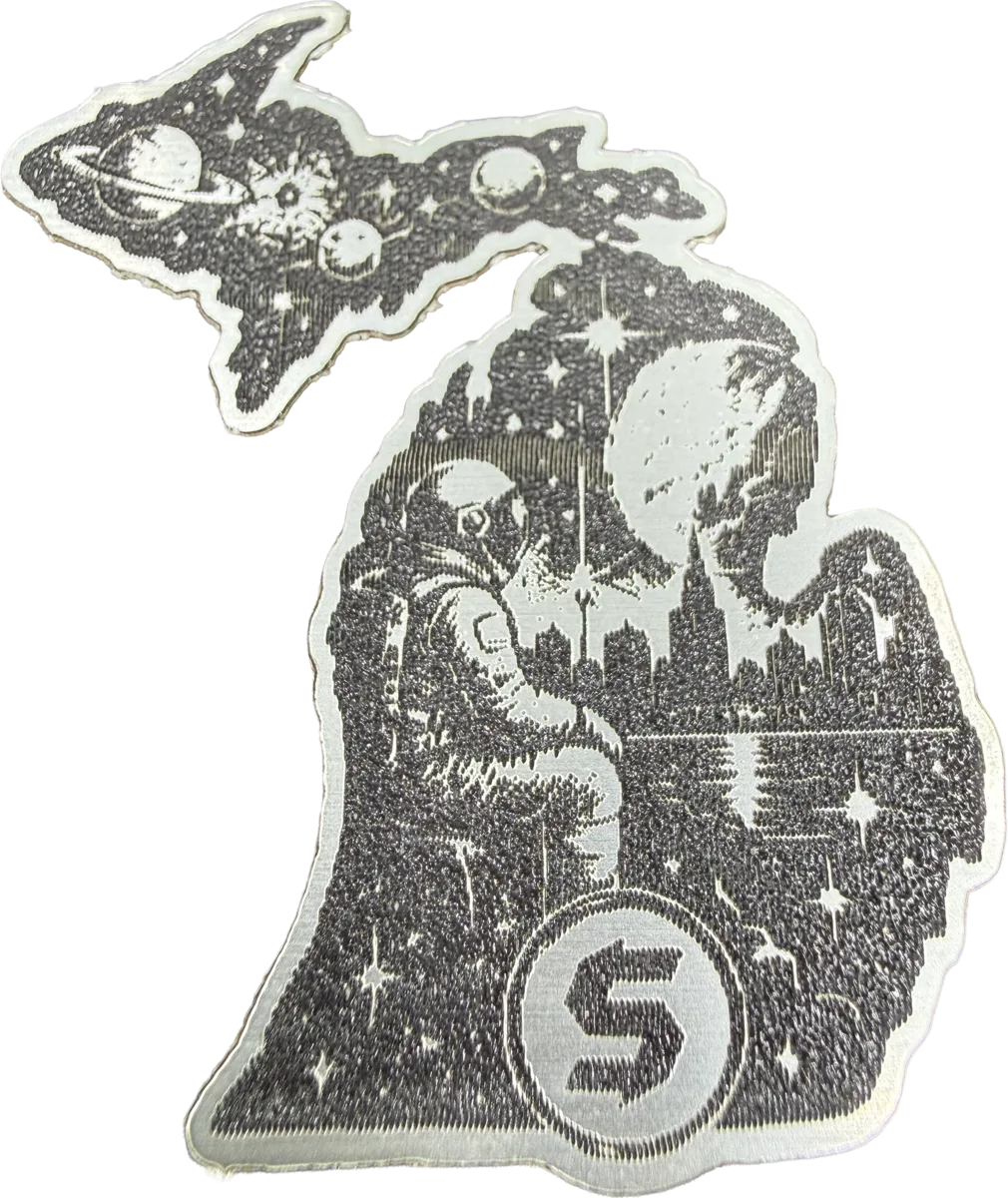
Tap for:
Tap for:
Some applications simply connect people to information. Others require stronger evidence that the expected physical object is present. State of Stick is designed to support multiple trust models, including secure cryptographic authentication where appropriate.
This page explains the concept, not the implementation. Keys, cryptographic details, server logic, and security procedures are intentionally not disclosed here.
A physical object opens the right public or shared information.
A specific unit, batch, edition, or asset has its own managed record.
The interaction can require stronger evidence that the expected object is present.
Access, content, claims, and next actions follow the organization's rules.
The system reaches all the way to the shop: physical form, materials, finish, installation, durability, handling, and presentation. Manufacturing matters because intelligent software becomes more valuable when it can govern a real deployed object.
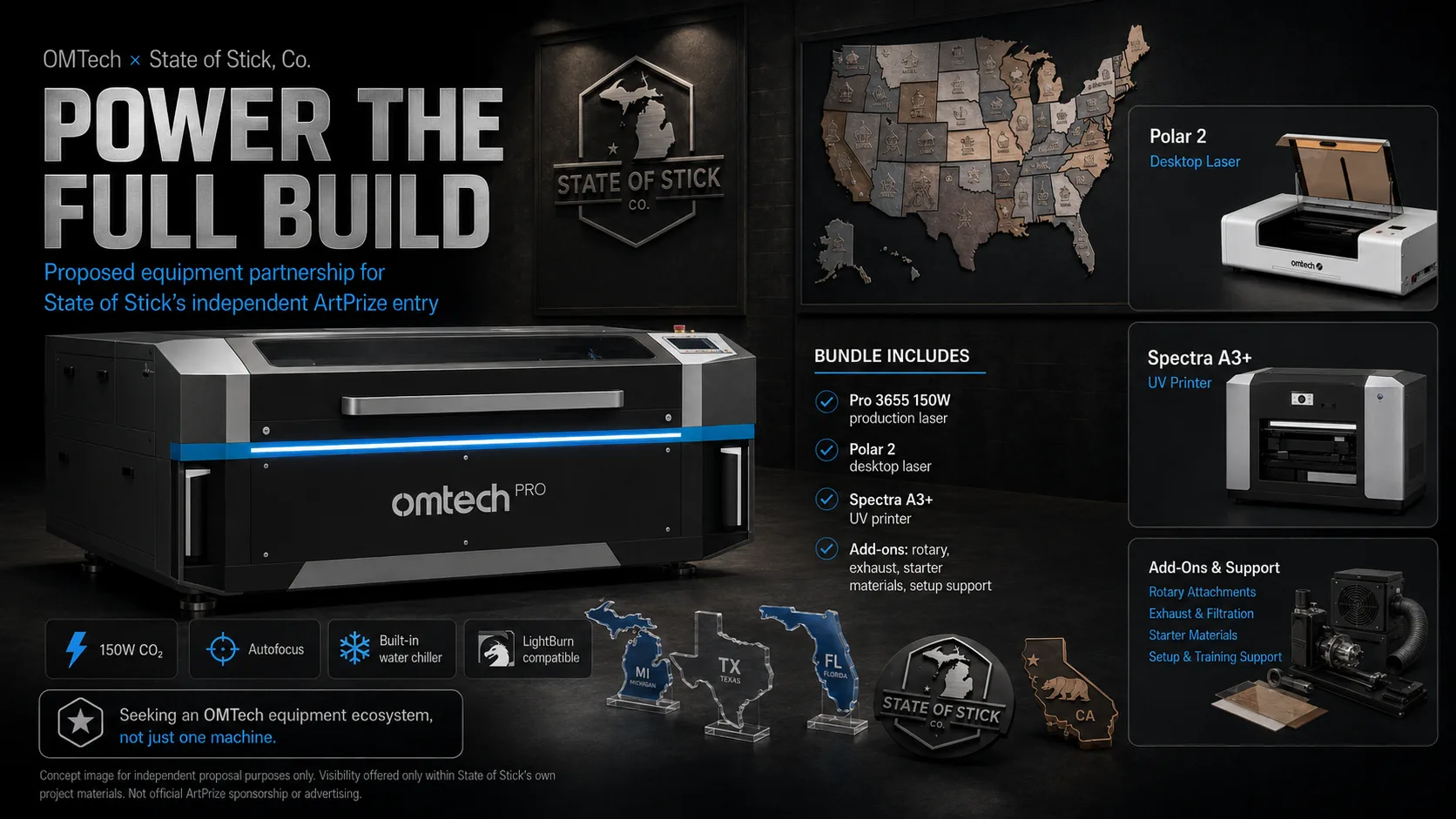
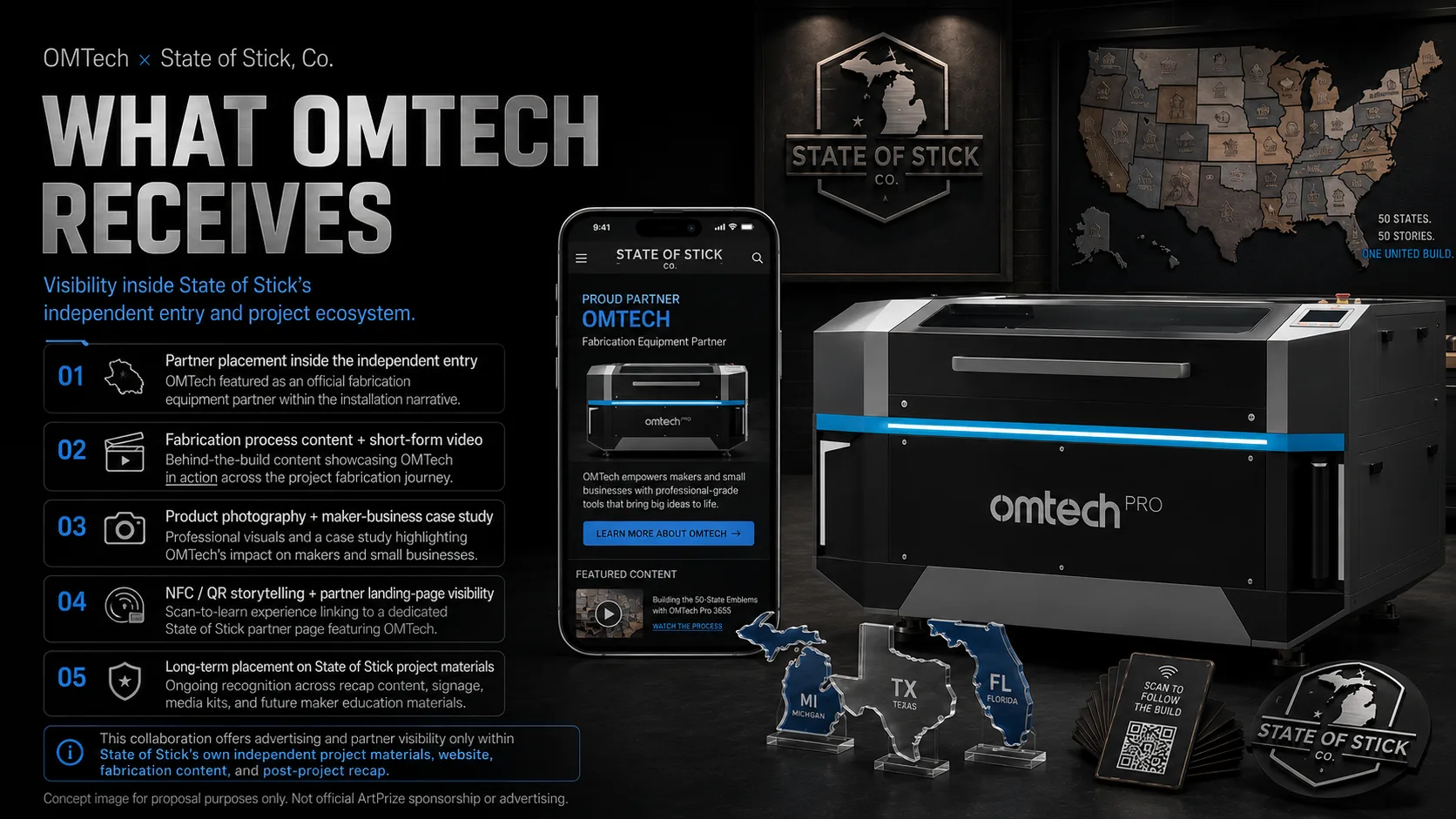
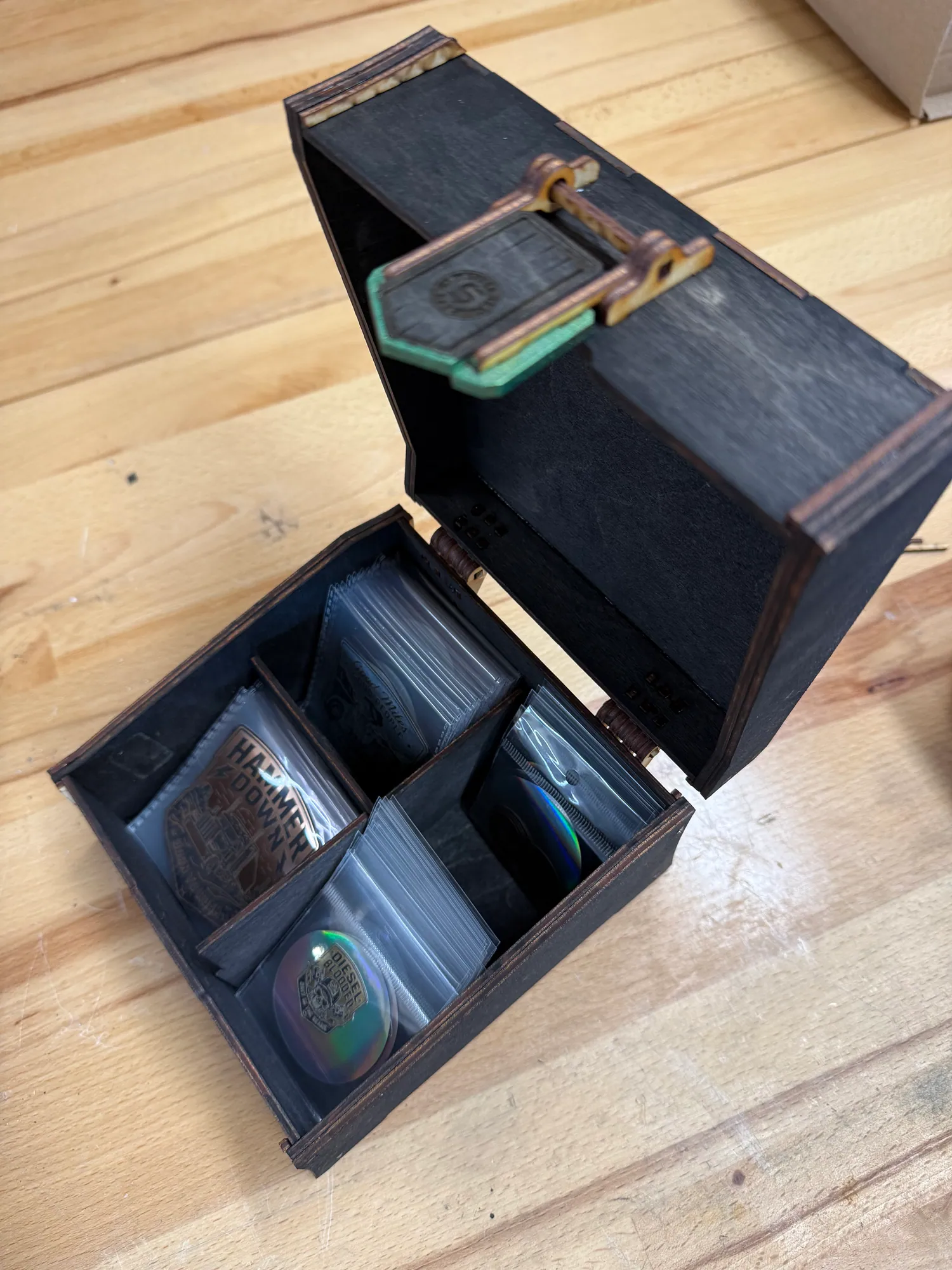
Large organizations often know a problem is real long before they can show a working physical demonstration. State of Stick can help compress the distance between concept, object, experience, and learning.
We connect AI, software, identity, manufacturing, trust, and measurable action into one system that can operate in the physical world.